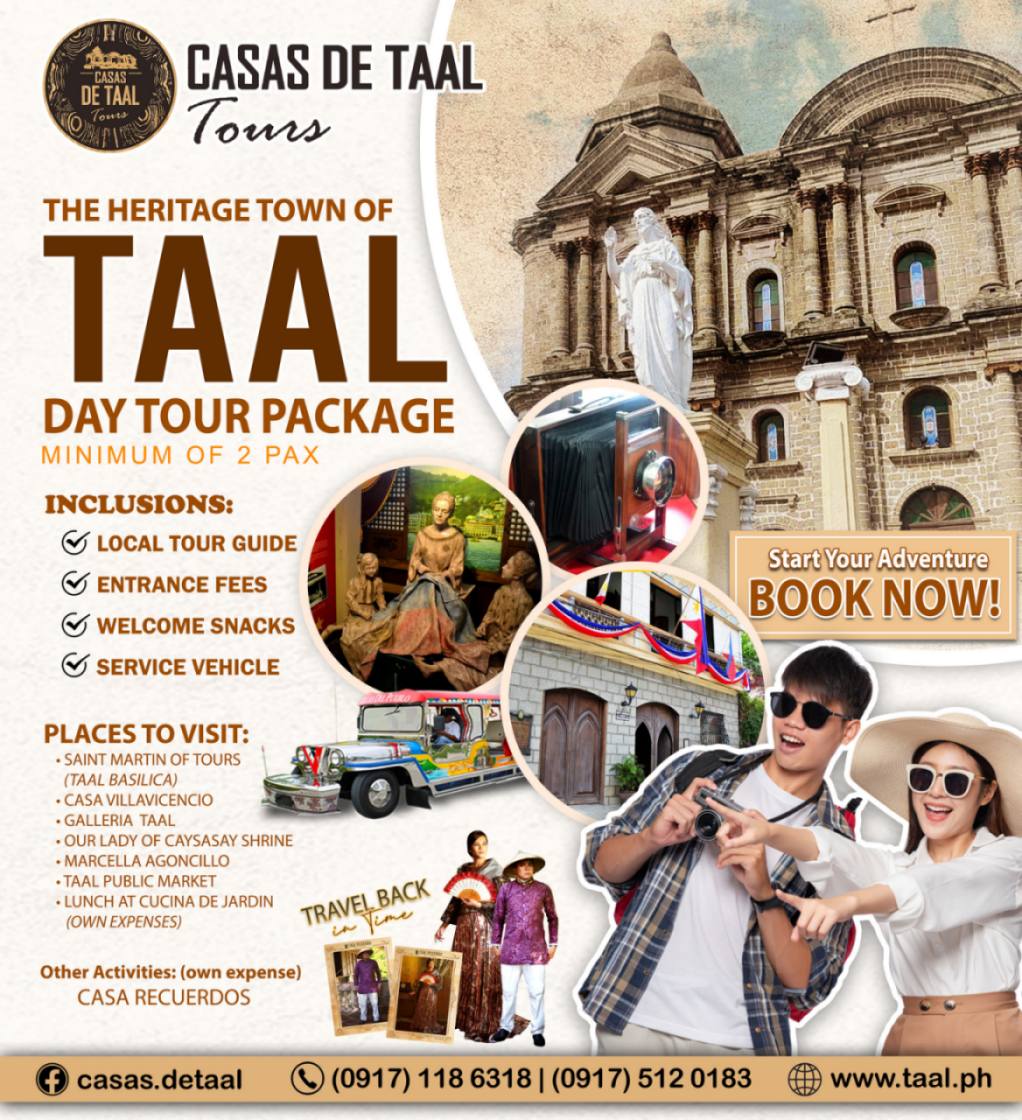
Exploring Taal, the Philippines’ Heritage Capital, reveals its rich history through preserved churches, ancestral homes, and unique traditions. The tour highlights the Basilica of Taal, Casa Villavicencio, and local delicacies, emphasizing the importance of cultural heritage and community stories.
Visitors experience Taal's charm and historical significance firsthand. Highlights Exploring Taal, Batangas allows us to experience Philippine history firsthand through its preserved heritage and unique traditions. The town's rich culture and historical significance make it a fascinating destination. The Basilica of Taal stands out as the largest church in the Philippines, showcasing stunning architecture and historical relevance. It has undergone multiple relocations due to volcanic activity. The importance of St. Martin de Tours as the patron saint of Taal highlights the town's religious heritage. His association with horses and soldiers reflects the town's historical context. Taal is home to numerous ancestral houses from the Spanish Colonial Era, many of which have been transformed into museums. These homes celebrate the contributions of their owners to Philippine history.
Casa Villavicencio played a significant role during the Spanish colonial period, serving as a secret meeting place for revolutionaries like Andres Bonifacio. Its historical importance is tied to its owners, Don Eulalio and Doña Gliceria, who were influential figures. The video highlights the rich cultural heritage and culinary offerings of Taal, showcasing its historic sites and unique local delicacies. It emphasizes the transformation of ancestral homes into tourist attractions and restaurants. The video discusses the history of the first Philippine flag, emphasizing its creation in Hong Kong by Marcela Gonzales and the significance behind it. It also highlights the cultural heritage of Taal, showcasing traditional embroidery practices.
The significance of Taal's local craftsmanship, particularly in the art of embroidery and the production of balisong knives, is highlighted during the visit. It showcases the community's cultural heritage and skills. The tour continues at Our Lady of Caysasay Shrine, highlighting its significance as a home for both spirituality and underprivileged youth. The visit emphasizes the importance of community and local connections.